Delhi PM2.5 exposure could fall 20% by 2040
A UN report states Delhi can cut harmful PM2.5 particle exposure by 20% by 2040 if it meets national air quality standards on schedule from 2026.
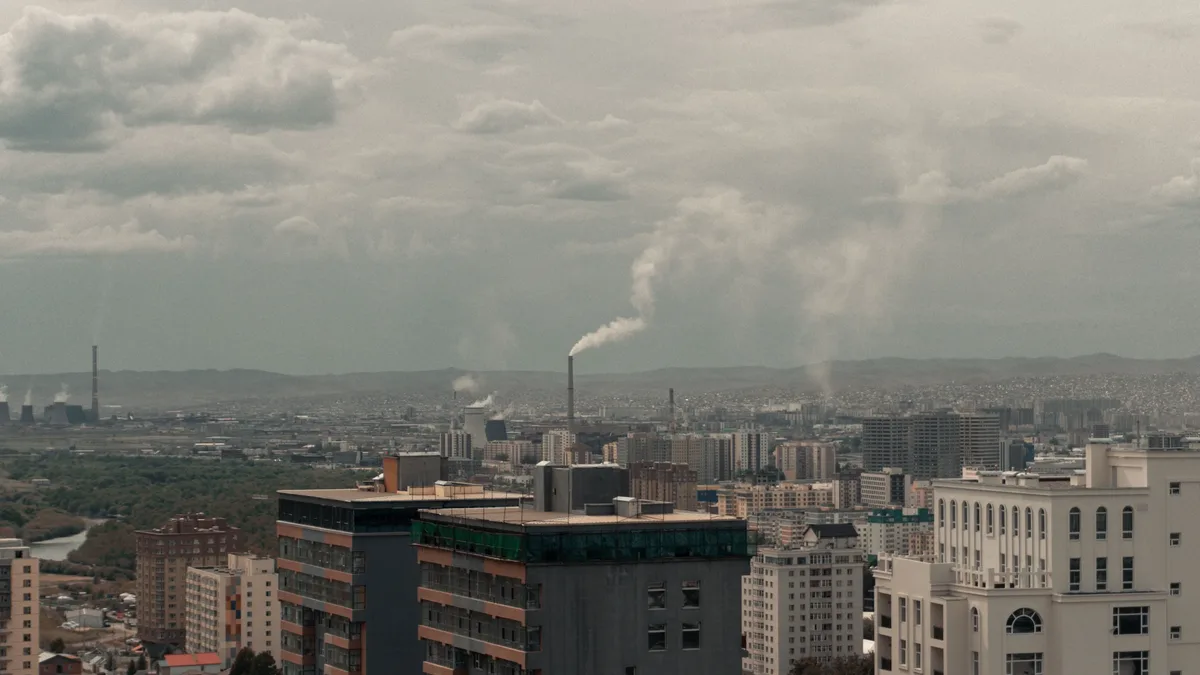
Delhi would reduce its population's exposure to harmful PM2.5 particles by 20% by 2040 if it achieves India's current national air quality standards on schedule starting in 2026. This finding comes from a new report by the UN Environment Programme and the Climate and Clean Air Coalition released on Monday.
If the implementation of these standards is delayed by about eight years, the reduction in PM2.5 exposure would only be 10%. The report warns this slower timeline would translate into substantially greater health impacts for the city's residents over the period.
The analysis is part of the report titled 'Hidden Assets: The Economic and Health Case for Climate and Clean Air Action'. It is described as the first comprehensive global economic assessment of integrated climate and clean-air action. The document identifies 25 existing, feasible solutions to tackle both problems at once.
Global Benefits of Clean Air Action
The report projects massive global economic benefits from implementing its recommended measures. These benefits would accrue from a combination of market and non-market values, such as improved health and productivity.
| Year | Economic Benefit (as % of global GDP) |
|---|---|
| 2035 | 2.8% |
| 2050 | 4.5% |
| 2100 | 11.4% |
Each year of delay in taking action forfeits more than 0.5% of global GDP in benefits. This is equivalent to losing over USD 1.5 trillion in value annually.
The Cost of Delay
Globally, implementation delays of 7.5 to 8 years are expected on average. The report identifies institutional barriers as the single largest contributor to these holdups, accounting for roughly 2.4 years of delay within a notional 15-year implementation window.
"A delay of this scale roughly halves the emissions reductions achievable by 2035," the report states. It argues that strengthening enabling conditions-economic, social, technological, and institutional-could bring all 25 solutions into place up to a decade sooner. This acceleration would substantially boost reductions in PM2.5 and ozone precursors between 2025 and 2050.
Feasible Solutions
The 25 solutions outlined are not speculative technologies. They include measures like expanding renewable power generation, improving energy efficiency, increasing access to clean cooking and heating solutions, and enforcing tighter vehicle emission and efficiency standards. For Delhi, a city long grappling with severe smog and soot, timely adoption of such measures is critical. The report's message is clear: speed saves lives and money. The health of millions hangs on the calendar of policy implementation.