Supreme Court reprimands Delhi hospital over false notice
The Supreme Court criticized a Delhi private hospital for falsely claiming it did not receive a court notice regarding free treatment for poor patients, a
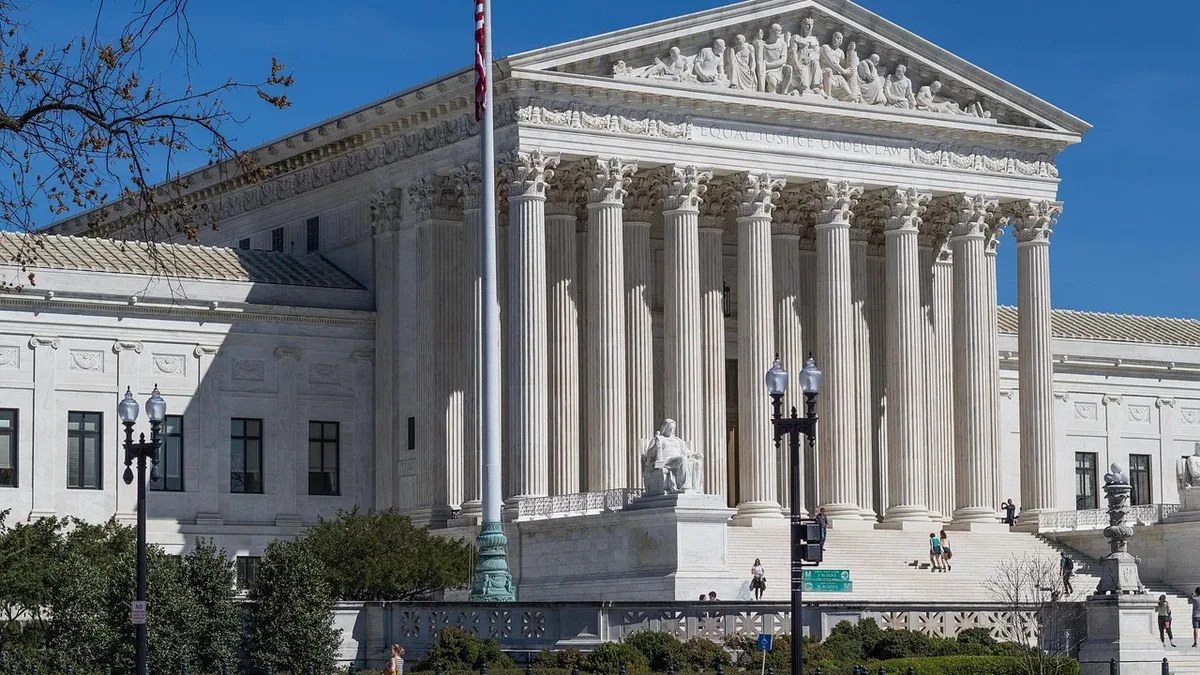
The Supreme Court on Wednesday reprimanded a private Delhi hospital for falsely stating it had not received a court notice concerning its obligation to provide free treatment to economically disadvantaged patients. The bench of Justices P.K. Mishra and Shree Chandrashekhar directed its strong observations at Yatharth Hospital in Model Town.
"You will have to be sent behind bars. Jail is the place for you," the court stated, according to the Hindustan Times report. The justices questioned how the hospital would treat poor patients if it responded with such arrogance to a Supreme Court notice.
The Land-for-Treatment Obligation
The case involves 51 hospitals in Delhi that received land at concessional rates from the government. In return, their lease deeds require them to provide free treatment to Economically Weaker Section (EWS) patients. The mandated quotas are 10% of in-patient department (IPD) services and 25% of out-patient department (OPD) services.
The Supreme Court's involvement stems from a 2018 ruling that upheld a 2007 Delhi High Court order. That order mandated all such hospitals to comply with the free treatment clause. The top court is now monitoring compliance.
A Missing Notice and an Affidavit
The court had appointed senior advocate Sanjay Jain as amicus curiae to help develop a Standard Operating Procedure (SOP) for institutionalizing the free treatment system. A meeting was convened with the hospitals to frame this SOP, and 50 of the 51 hospitals attended.
Yatharth Hospital was the sole absentee. When summoned on July 29 to explain why, the hospital's medical superintendent claimed the facility never received the court's notice issued on February 24. The bench rejected this, noting all 51 hospitals had received it.
By Wednesday, the hospital had filed an affidavit with a different explanation. It stated an internal enquiry revealed the notice was, in fact, received by the hospital. However, it was not "routed" to the medical superintendent, the management, or the legal department.
Next Steps for Compliance
The court has posted the matter for a further hearing on September 30. It has given private hospitals time to respond to a revised SOP. This revised document was submitted on Wednesday after consultations between the amicus, hospitals, and the Delhi government.
The bench suggested holding a common meeting before the next hearing. The goal is to draw up a unified SOP with the consent of all hospitals for final court approval. The court's actions continue its oversight role, ensuring the land-for-treatment policy is properly enforced for the city's poorest residents.