Delhi's autorickshaw seat art fades as app
A mobile 'biennale' of paintings on autorickshaw seats, once a common sight on Delhi's smoggy roads, is becoming rarer as commuters shift to app-based
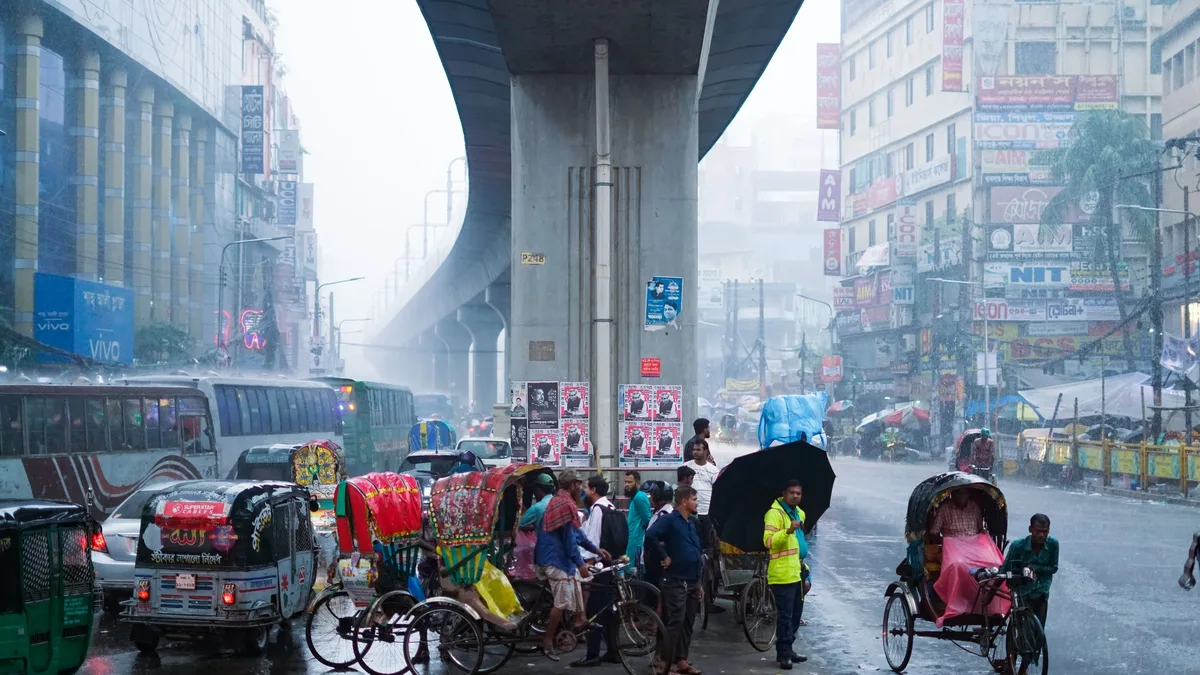
A unique, mobile art exhibition travels daily through Delhi's smoggy and traffic-clogged streets. It is painted on the backrests of the city's ubiquitous autorickshaws, featuring everything from parrots to the Taj Mahal.
According to a survey by the Hindustan Times, this informal 'autorickshaw biennale' has been a feature of city life for at least five years. Passengers, often distracted by their commutes and phones, may have their backs pressed against these artworks without noticing them. The themes are diverse, ranging from romantic hearts and pining lovers to hilly landscapes and iconic monuments.
The art on display
New works continue to appear on autorickshaw seats across the city. One backrest shows two parrots with their beaks touching in a kiss. Another depicts a dog asleep in a basket. A third presents a woman in a green veil sharing her frame with a lion.
Women are a recurring subject in this art form. One painting shows a woman wearing a naqab that covers her face, leaving only her eyes exposed. Beside her is a heart enclosing the romantic phrase "Sirf Tum." The source notes that getting such upholstery redone costs between 1000 and 1200 rupees, with work done at auto markets in areas like Dakshinpuri, Jheel, Hastinapur, and Janakpuri within Delhi, and on New Railway Road in Gurugram.
An ephemeral gallery
The art has an added, transient dimension created by the environment. The plastic covering on the backrests can catch reflections in daylight, especially when an auto is parked roadside. This reflected light distorts the underlying picture, making it burn brighter momentarily. The seat art briefly looks as if it has been treated with an Instagram filter.
A fading tradition
The future of this moving art gallery on Delhi's roads is uncertain. Over the last few years, app-based cabs have become an ordinary part of daily commuting. This shift has reduced the number of encounters people have with autorickshaws.
Instead of hailing an auto by the roadside, passengers now often book an air-conditioned car via an app. They can track its progress on their phones and know the fare in advance, avoiding the bargaining that sometimes accompanies an autorickshaw ride. On longer journeys, the app cab price is reportedly sometimes no more than what an autorickshaw driver might ask.
One rainy afternoon, the reporter noted another form of autorickshaw art. The biennale had gone three-dimensional. A real dog was found sheltering inside a parked auto, curled up against a plain black seat.