Indonesian Fires and Chronic Pollution Caused 3,700 Deaths
A CREA analysis finds air pollution caused 3,700 deaths in Indonesia's 15 most impacted provinces in August 2026.
Air pollution caused an estimated 3,700 deaths across Indonesia's 15 most impacted provinces in August 2026. According to an analysis by the Centre for Research on Energy and Clean Air (CREA), 1,700 of those deaths were linked to smoke from forest and land fires, while the remaining 2,000 were attributable to chronic, year-round pollution from sources like power generation, industry, and transport.
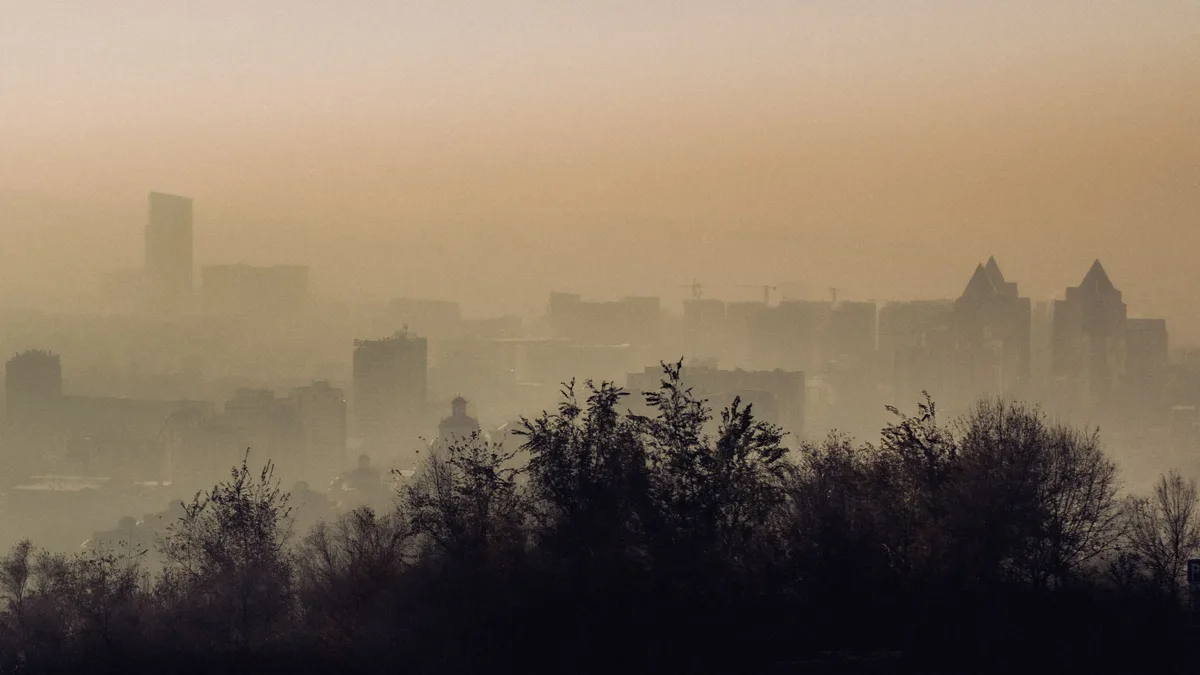
While the thick haze from fires in Kalimantan and Sumatra dominates headlines, CREA's report argues that the persistent, non-fire pollution in urban centers constitutes an equally deadly, year-round crisis. The group states this moment presents an opportunity for Indonesia to demand a national mandate for clean air.
Java's Chronic Pollution Claims Most Lives
By absolute numbers, the island of Java dominated the air pollution death toll in August, accounting for nearly 1,600 fatalities. Home to 56% of Indonesia's population, Java faces persistent pollution rather than seasonal spikes. CREA estimates 90% of the island's August deaths were driven by emissions from fossil fuel power plants, heavy manufacturing, road transport, and to a lesser extent, agriculture and waste management.
The five most impacted provinces on Java and their estimated death tolls were:
| Province | Estimated Deaths in August 2026 |
|---|---|
| West Java | 517 |
| Central Java | 421 |
| East Java | 352 |
| DKI Jakarta | 144 |
| Banten | 139 |
In stark contrast, provinces like West Kalimantan, Central Kalimantan, South Kalimantan, Riau, and Jambi saw between 72% and 99% of their pollution deaths driven by fire smoke. The report notes that without the annual fires, these provinces would not rank highly, as their non-fire pollution contribution is low.
Highest Individual Risk in Kalimantan
When measured by deaths per 100,000 people, the risk picture reverses entirely. An individual living in Kalimantan faced a short-term mortality risk from air pollution three to four times higher than a resident of Java in August. CREA calls this disparity a "profound environmental injustice."
Kalimantan was the epicenter of the fire crisis. Its daily population-weighted PM2.5 concentration surged from 20 micrograms per cubic meter in the first week of August to between 100 and 120 by month's end. In Sumatra, fire-driven PM2.5 levels remained below 40 µg/m³ until mid-August before escalating. On Java, virtually all PM2.5 came from non-fire sources, with levels consistently between 20 and 30 µg/m³.
Nationally, Indonesia's average daily PM2.5 reached 29 µg/m³, with fires contributing 27% of that pollution in the latter half of August. These levels severely exceed the World Health Organization's 24-hour guideline of 15 µg/m³.
Tens of Millions Exposed to Unhealthy Air
Exposure to unhealthy air peaked on August 18, the day after Indonesia's Independence Day, affecting 41 million citizens, or 15% of the national population. By August 31, 36.4 million people were still exposed to 'Unhealthy' or worse air quality.
Of those, about 30 million faced 'Unhealthy' levels, 4.2 million faced 'Very Unhealthy' levels, and 2.5 million were exposed to 'Hazardous' air. Kalimantan had the highest proportion of its population affected, with 69% breathing unhealthy air at the peak, followed by Sumatra (40%) and Java (16%). In absolute numbers, Sumatra and Java each saw around 25 million people affected on their worst days, while Kalimantan saw 12.3 million.
Crisis Is Expected to Worsen
August represented only the onset of the crisis. Historical data from severe El Niño years like 2015, 2019, and 2023 shows forest and land fires typically peak between late September and November. Without immediate intervention, CREA warns more people will be impacted, straining the state budget for disaster recovery.
The health impacts are already severe. Indonesia's Ministry of Health reported over 10.6 million people affected across seven provinces as of August 28. By September 1, it had confirmed 50,891 cases of acute respiratory infections, with 12,600 involving children aged five or younger.
This surge places tremendous strain on a healthcare system with a critical shortage of specialized resources. The country has only nine specialized lung hospitals, seven of which are in Java and two in Sumatra. Kalimantan, the region most severely impacted by fires, has none. The report highlights a critical shortage of pulmonologists and specialized equipment in the worst-hit regions.
CREA concludes that Indonesia must enact a legally binding national clean air mandate with enforceable air quality standards, backed by a transparent monitoring network that covers both urban centers and remote, high-emission regions.