Indonesia
| Capital | Jakarta |
|---|---|
| Official language | Indonesian |
| Population | Over 270 million |
| Major religion | Islam |
| Government form | Unitary presidential constitutional republic |
| Currency | Indonesian rupiah (IDR) |
| Archipelago composition | Over 17,000 islands |
| Time zone | Various (UTC+7 to UTC+9) |
Overview
Indonesia is a sovereign nation and archipelagic country located in Southeast Asia, comprising over seventeen thousand islands. It is the world's fourth most populous country and the largest Muslim-majority nation. Major urban centers, including the capital Jakarta, Surabaya, and Bandung, face significant challenges from air and water pollution due to dense populations, industrial activity, and vehicular emissions. Key pollutants of concern include particulate matter (PM2.5 and PM10), lead, ground-level ozone, and nitrogen dioxide, which directly impact respiratory health. Water pollution from industrial discharge, agricultural runoff, and inadequate waste management affects drinking water sources in many cities, often requiring extensive treatment. The geographic and economic diversity across the islands leads to varying exposure levels, with urban populations typically experiencing the highest pollutant concentrations.
History
The modern nation-state of Indonesia declared its independence from the Netherlands in the mid-20th century, following a long history of indigenous kingdoms and colonial rule. Rapid industrialization and urbanization in the latter half of the 20th century, without commensurate environmental controls, established the foundation for current pollution challenges. The expansion of manufacturing, mining, and forestry sectors historically operated with minimal regulation, releasing untreated effluents into waterways and emissions into the air. In cities like Jakarta, the proliferation of vehicles, particularly motorcycles and cars using lower-grade fuels, became a primary source of airborne lead and other contaminants. The development of water infrastructure often lagged behind population growth, leading to widespread reliance on groundwater, which itself became contaminated in many areas. Historical land-use changes, including peatland drainage for agriculture, also created persistent sources of haze pollution that affect air quality across the region.
How it works today
Air quality monitoring networks, primarily in major cities, provide data on pollutants like PM2.5, though coverage is not nationwide. Many residents rely on personal protection, such as face masks, during periods of severe haze or high pollution, particularly from seasonal landscape fires. For drinking water, a significant portion of the urban population depends on bottled water or in-home filtration systems due to distrust of piped water quality, even in areas with municipal treatment. Industrial pollution control is governed by regulations, but enforcement remains inconsistent, leading to continued discharge of contaminants into rivers like the Citarum, which supplies water for millions. The government has implemented policies to reduce vehicle emissions, such as promoting Euro 4 fuel standards and exploring public transit expansion, but older vehicle fleets remain a problem. Community-level initiatives sometimes address local water pollution, but systemic solutions for both air and water quality require substantial investment in infrastructure and regulatory capacity.
Why it matters
Chronic exposure to high levels of air pollution is a leading risk factor for respiratory and cardiovascular diseases, contributing to significant public health burdens and healthcare costs. Contaminated drinking water sources are linked to waterborne diseases, stunting in children, and long-term health issues from chemical exposure, affecting human capital development. Environmental degradation from pollution damages ecosystems, reduces agricultural and fisheries productivity, and threatens biodiversity, which is critical in a megadiverse country. Economic costs are substantial, stemming from healthcare expenses, lost labor productivity due to illness, and impacts on tourism. Transboundary haze from landscape fires has been a recurrent diplomatic issue with neighboring countries, affecting regional relations. Addressing these pollution challenges is integral to achieving sustainable development goals and improving the quality of life for a vast population.
Common misconceptions
A common misconception is that Indonesia's air pollution is solely caused by seasonal forest and peatland fires; while these cause dramatic spikes, urban transportation and industry are consistent year-round sources. Another is that boiling water makes it safe to drink; boiling kills biological pathogens but does not remove chemical contaminants like heavy metals or industrial waste, which are present in many sources. Some believe moving to a different neighborhood or city within the country guarantees cleaner air, but pollution, especially particulate matter, can be widespread and influenced by regional weather patterns. There is also a mistaken view that government-provided tap water is always treated to a potable standard; in reality, treatment levels vary, and distribution networks can be subject to recontamination. People often think visible smog is the only dangerous form of air pollution, but invisible fine particulate matter (PM2.5) poses a greater health risk as it penetrates deep into the lungs. Finally, it is incorrect to assume all pollution is locally generated; some airborne pollutants, particularly haze, can travel hundreds of kilometers from their source, affecting air quality in areas far from industrial centers.
Latest Indonesia news
Latest reporting
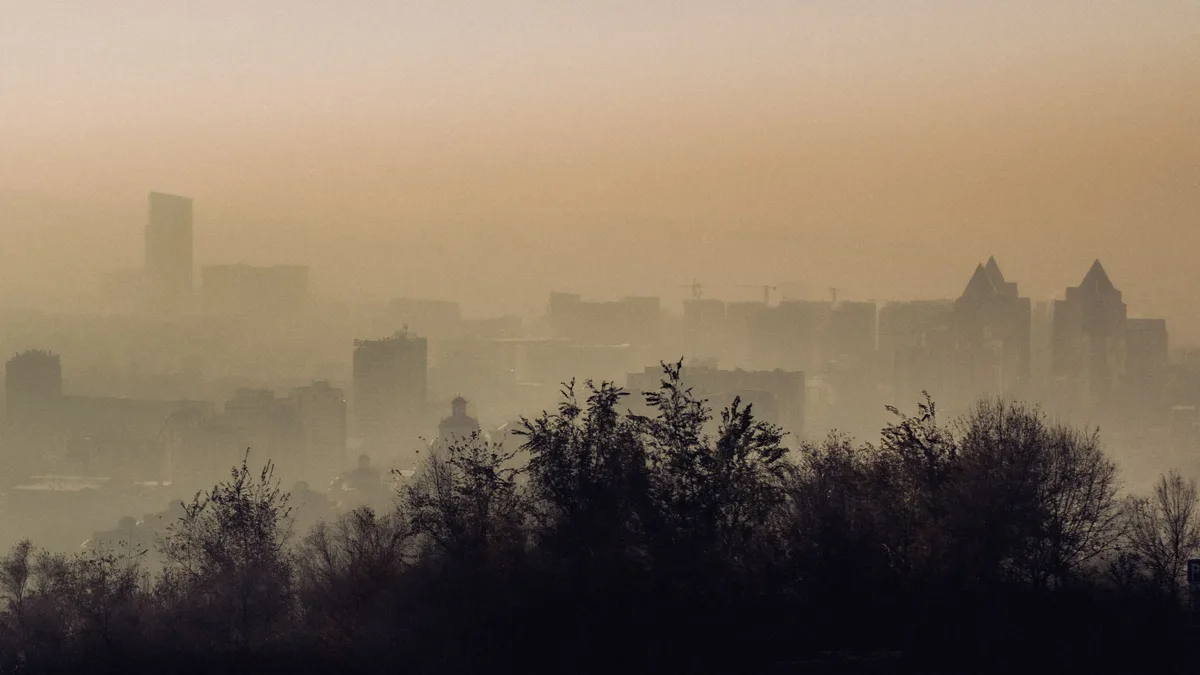
Indonesian wildfire haze chokes Southeast Asian cities
Smog from Indonesia's peatland fires has blanketed Southeast Asia, pushing air quality to hazardous levels from Malaysia to the Philippines.

Indonesian Fires and Chronic Pollution Caused 3,700 Deaths
A CREA analysis finds air pollution caused 3,700 deaths in Indonesia's 15 most impacted provinces in August 2026.
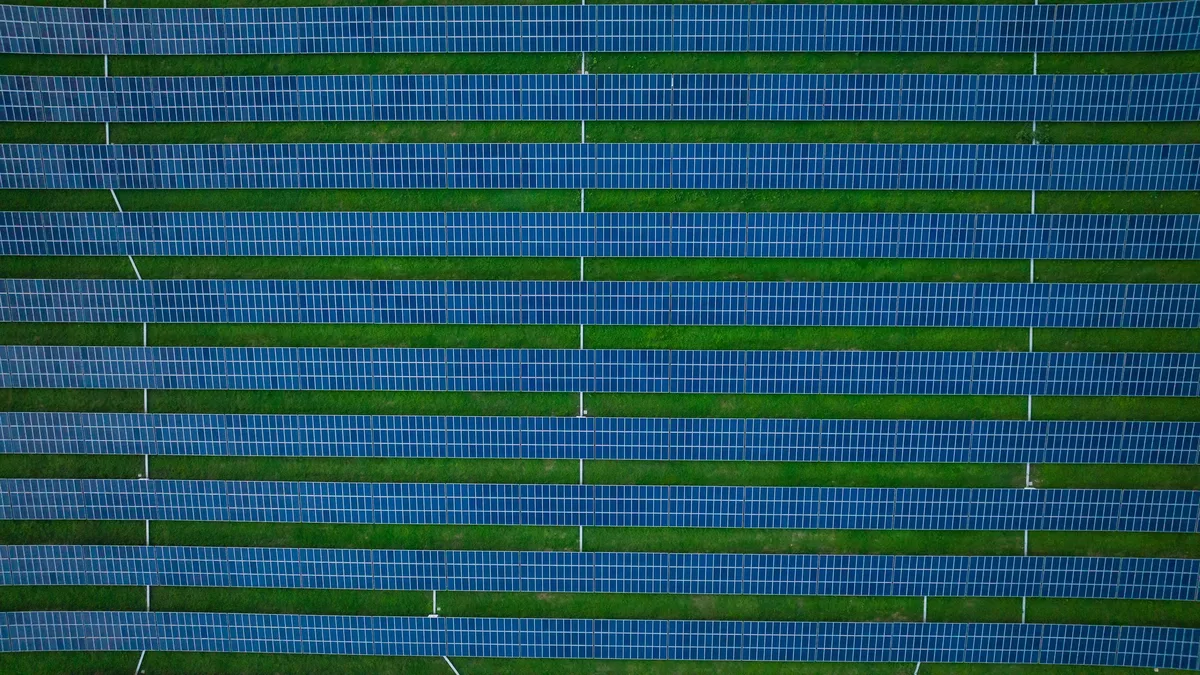
IEEFA: Integrate Indonesia's 100 GW solar target into national power plan
A think tank says Indonesia must integrate its 100-gigawatt solar target into the national least-cost electricity plan to displace coal.
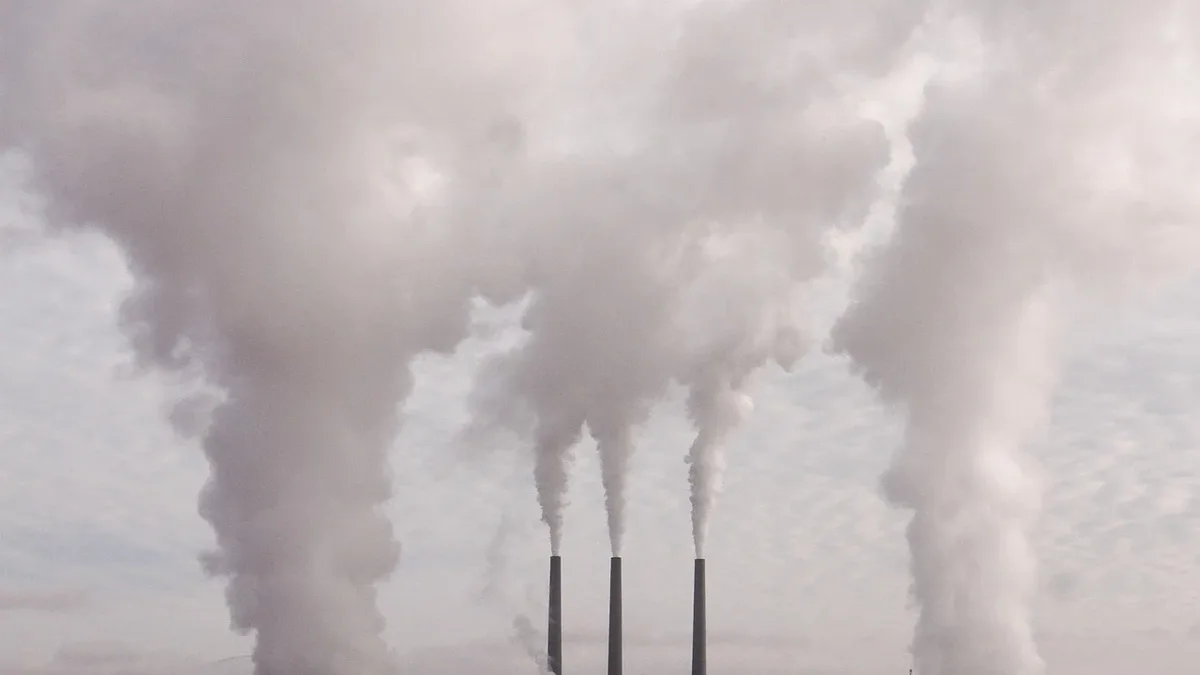
Chinese firms reshape Indonesia's petrochemical ambitions
Chinese firms invest billions in Indonesia's petrochemical sector as Beijing tightens domestic emissions rules.
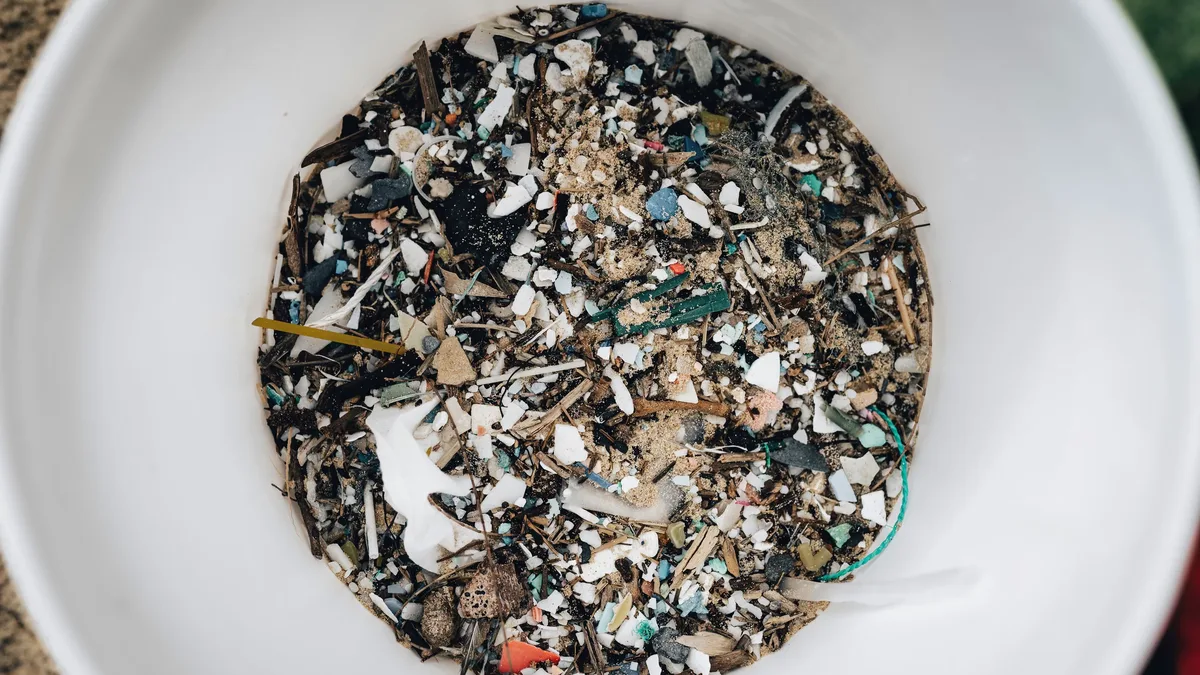
Microplastics in Sea Salt from Lombok Island
Sea salt sold in markets across Lombok Island, Indonesia, contains microplastics, according to a recent study.

Indonesia's Plastic Pollution Conundrum
Indonesia is struggling to balance its goal of reducing plastic waste with the expansion of its petrochemical industry.