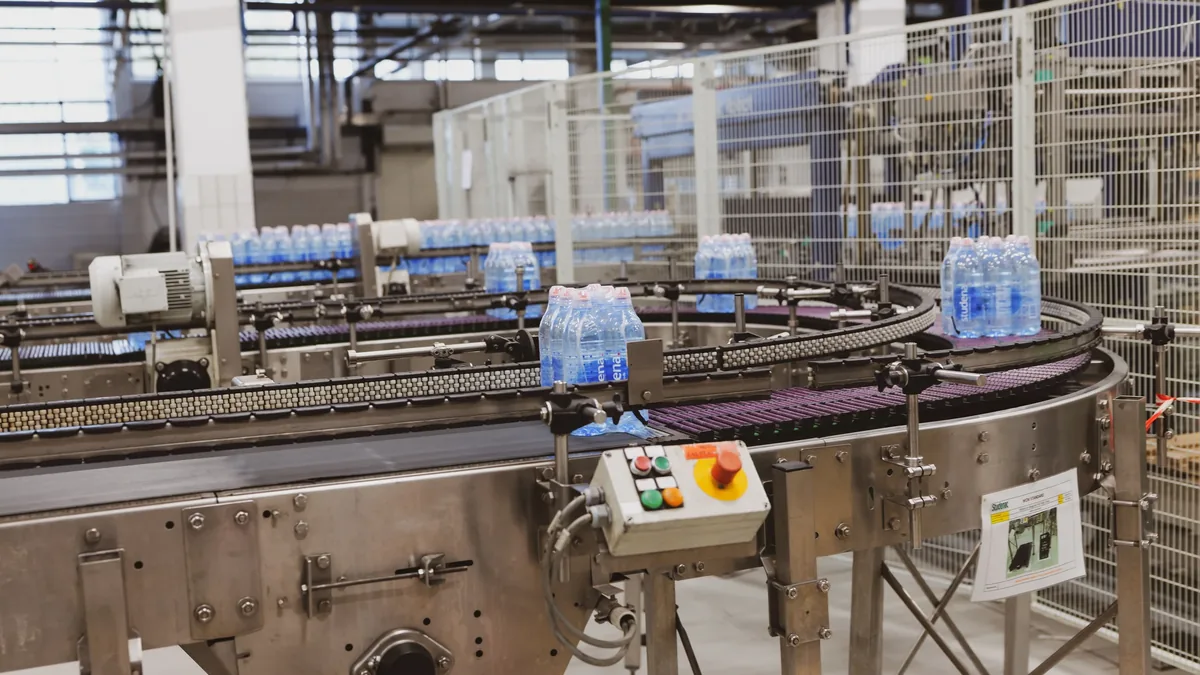
Bottled And Packaged Water Quality
| Contaminant type | Microbiological, chemical, or physical |
|---|---|
| Typical sources | Source water contamination, leaching from packaging, treatment byproducts |
| Health effects | Varies by contaminant, from gastrointestinal illness to long-term systemic effects |
| Regulatory standard | Varies by jurisdiction (e.g., EPA, WHO, FDA bottled water rules) |
| Common testing methods | Microbial culture, chromatography, spectrometry |
| Removal/avoidance | Point-of-use filtration, verified source selection, proper storage |
| Primary exposure route | Ingestion |
Origin and history
The concept of bottled water for personal consumption originated in Europe, with documented commercial bottling of spring water beginning in the late 18th century. Early bottling was often linked to specific mineral springs and spas, such as those in the United Kingdom, Germany, and France, where the water was consumed for perceived health benefits. The practice expanded significantly in the 19th century with the development of glass bottling and improved transportation, allowing for wider distribution. In the United States, the first commercially distributed bottled water was sold in the 1840s, sourced from a spring in Maine. The modern plastic polyethylene terephthalate (PET) bottle, which revolutionized the industry's scale and portability, was introduced in the 1970s. The late 20th century saw a massive global market expansion, driven by marketing, convenience, and growing concerns over municipal water quality.
What it is for
Bottled and packaged water is primarily intended for human consumption as a drinking water source. It serves as a portable, convenient alternative to tap water for hydration during travel, work, or outdoor activities. In many regions, it is marketed and used as a perceived safer or better-tasting option compared to local municipal water supplies. It functions as a critical emergency preparedness supply during natural disasters or infrastructure failures that compromise public water systems. Certain types, like mineral or spring waters, are consumed for their specific mineral content, though therapeutic claims are generally regulated. The packaging itself is designed for single-use or multi-use convenience, with the primary function of containing and preserving the water's quality from source to point of consumption.
Overview
Bottled water is drinking water sealed in bottles or other containers, which can be made from PET plastic, glass, or sometimes aluminum. It is not a single, standardized product but a category encompassing various water types defined by source and treatment, including purified, mineral, spring, and sparkling water. Regulatory standards for quality, such as those set by the U.S. Food and Drug Administration (FDA) or the European Union, exist but differ from the standards governing public water systems, which are typically enforced by agencies like the U.S. Environmental Protection Agency (EPA). The quality is influenced by the source aquifer or municipal supply, the treatment processes (like reverse osmosis or ozonation), and the integrity of the packaging material. Long-term storage or exposure to heat and sunlight can affect quality, potentially leading to chemical leaching from packaging or microbial growth. The environmental impact of the industry, from plastic waste to resource extraction, is a significant aspect of its overall footprint.
What to know
The chemical and microbial safety of bottled water is not inherently superior to regulated tap water in many developed nations, and it is subject to different, sometimes less frequent, testing protocols. Consumers should understand the definitions on labels: "purified water" has undergone distillation, deionization, or reverse osmosis, while "spring water" must derive from an underground formation and flow naturally to the surface. The presence of microplastics in bottled water, originating from the packaging and environment, is a documented contaminant of emerging concern, though health implications are not fully established. Fluoride, often added to public water for dental health, is typically not present in bottled water unless specified. The financial cost of bottled water is hundreds to thousands of times higher per gallon than tap water, representing a significant ongoing household expense. In a city context, reliance on bottled water can undermine public investment in municipal infrastructure by reducing political pressure for maintenance and upgrades.
Common questions
Is bottled water safer than tap water? In regions with well-maintained public water systems, tap water is equally safe and more rigorously tested for pathogens, while in areas with contaminated or unreliable supplies, bottled water may be a necessary alternative. What does the "expiration" date on bottled water mean? It primarily indicates the shelf life of the packaging material, as the water itself does not spoil, but plastic can degrade and affect taste or composition over time. Does freezing bottled water release chemicals from the plastic? Freezing is generally not considered a significant risk for chemical leaching compared to exposure to high heat. What is the white sediment sometimes seen in bottled water? It is typically harmless mineral precipitation, like calcium carbonate, that can occur when the water's temperature or pressure changes. Why does bottled water sometimes taste different? Taste variations arise from the mineral content of the source, the treatment method used, and compounds that may migrate from the plastic packaging. How should bottled water be stored? It should be kept in a cool, dry place away from direct sunlight and chemicals like gasoline or pesticides to prevent contamination through the plastic.
Pros and cons
A primary advantage is convenience and portability, providing a reliable hydration source in vehicles, at events, or where plumbing is absent. It offers a consistent, often taste-neutral option in areas where tap water has an unpleasant odor or flavor due to chlorination or pipe issues. In legitimate emergencies, such as boil-water advisories or flood contamination, sealed bottled water is an essential, safe resource. A significant drawback is the environmental cost, including fossil fuel use in plastic production, carbon-intensive transportation, and the creation of persistent plastic waste that often is not recycled. The common mistake is the habitual, unnecessary consumption of bottled water in municipalities with safe, high-quality tap water, incurring substantial personal expense and environmental impact without a health benefit. Many consumers regret the ongoing financial cost and the guilt associated with generating single-use plastic waste, particularly when they discover their local tap water is of high quality.
Who it suits
It suits travelers and commuters who require a portable, sealed drinking container where refilling is inconvenient or unavailable. It is necessary for residents and businesses in regions where the municipal water supply is scientifically confirmed to be contaminated or unreliable, serving as a primary drinking source. Emergency preparedness kits logically include sealed bottled water as a stable, potable reserve for use during infrastructure failures. It suits individuals with specific medical conditions or dietary requirements, under doctor's advice, who must consume water with a guaranteed mineral profile or a very low pathogen count. The product also caters to consumers in venues like airports, stadiums, or conferences where tap water access is not provided, making it the only practical option. It does not suit environmentally conscious consumers in areas with safe tap water, who can achieve similar quality and convenience with a refillable bottle and a home filtration system.
Latest Bottled And Packaged Water Quality news
Latest reporting
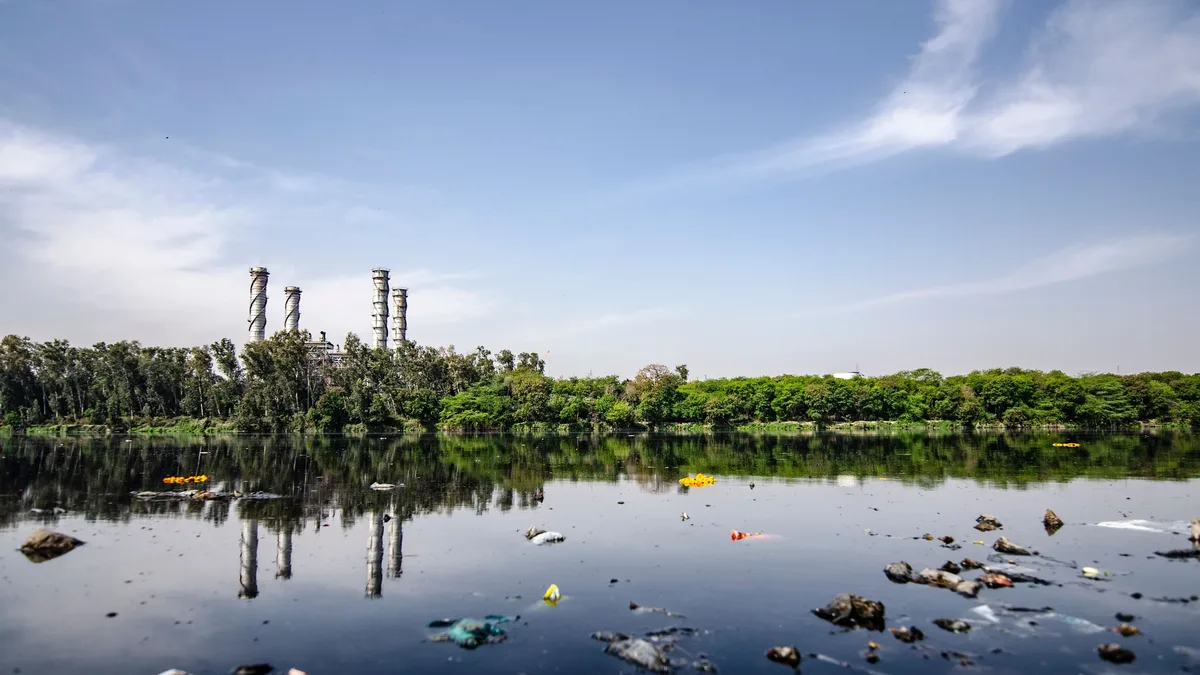
Southern Water fined £2.4m for Kent sewage
Southern Water has been fined £2.4 million for multiple sewage pollution incidents off the Kent coast between 2019 and 2021.
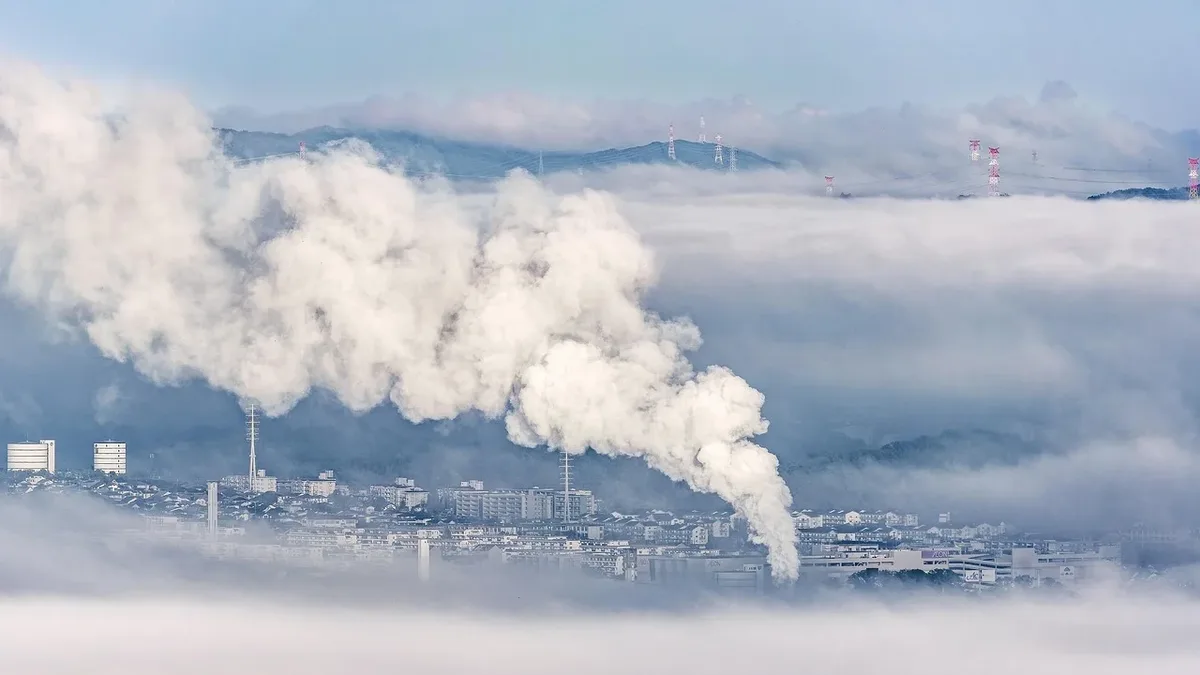
Delhi's air quality deteriorates as monsoon
Delhi's air quality index has worsened to 169, with dry weather and low winds contributing to the rise. The India Meteorological Department predicts...
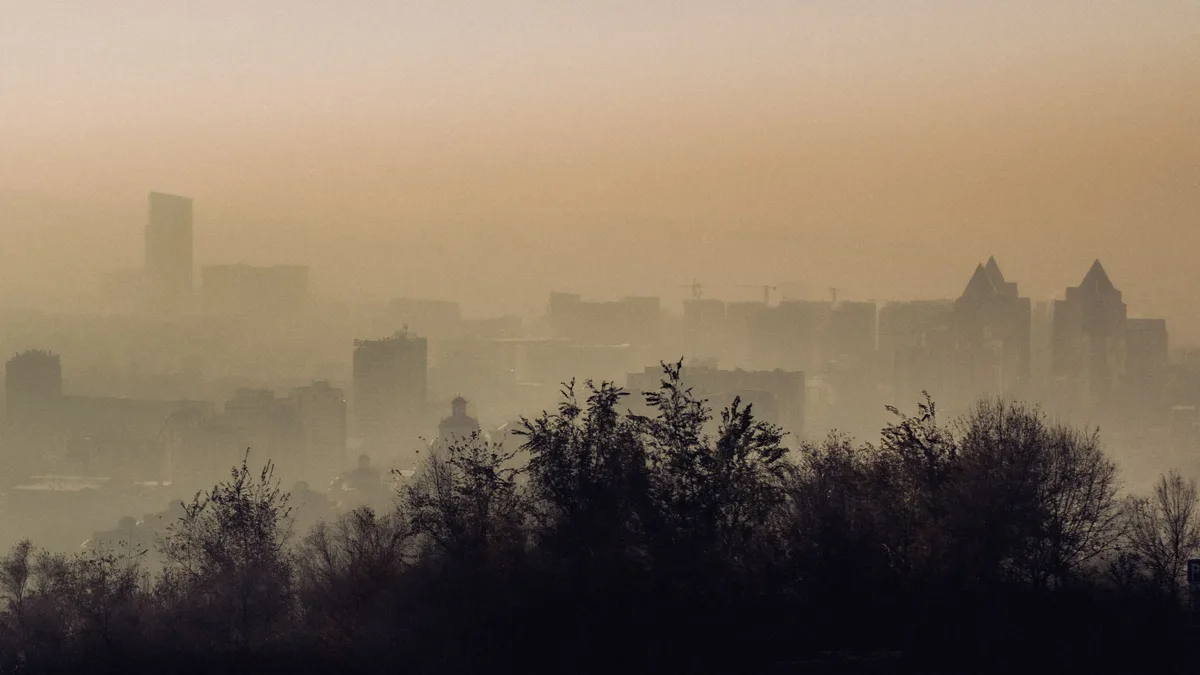
Indonesian wildfire haze chokes Southeast Asian cities
Smog from Indonesia's peatland fires has blanketed Southeast Asia, pushing air quality to hazardous levels from Malaysia to the Philippines.
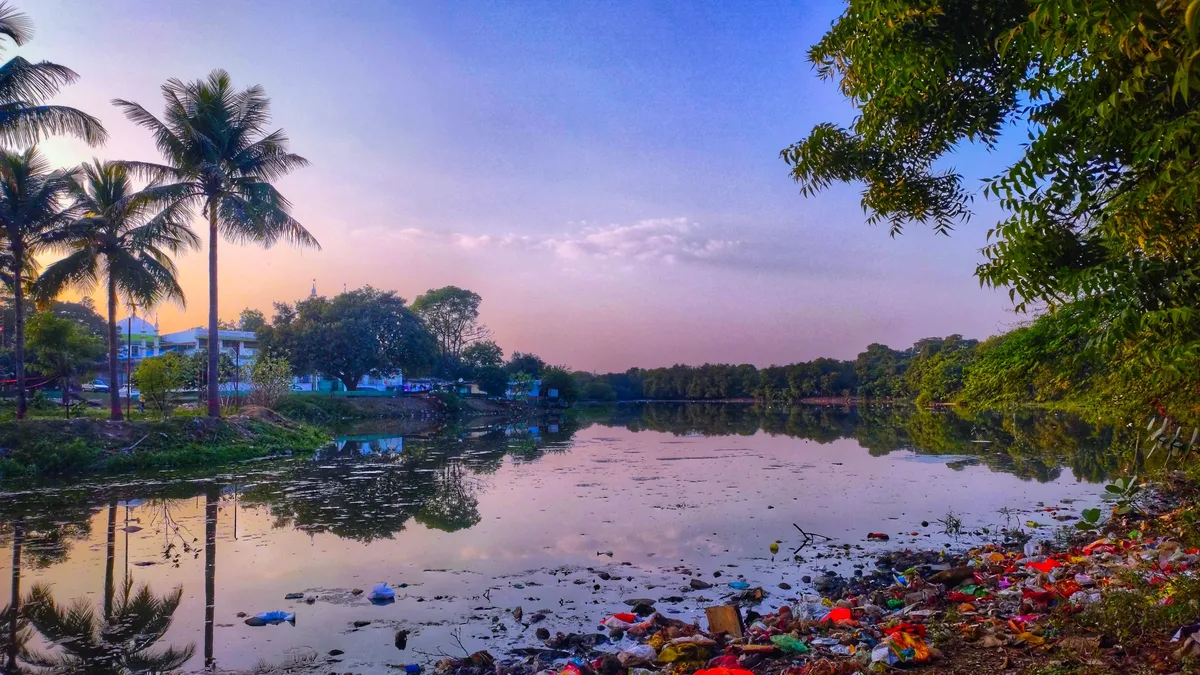
Monsoon Dilutes Yamuna Sewage Pollution in Delhi
Increased monsoon flow in August improved water quality in Delhi's stretch of the Yamuna river, sharply reducing faecal coliform levels, though...
Early El Niño disrupts monsoon, heatwaves, and Panama Canal
The 2023 El Niño developed months ahead of predictions, weakening India's monsoon, fueling global heatwaves, and reducing Panama Canal water levels.
Sri Lanka's urban poor face contaminated
Low-income communities in Colombo struggle with unreliable, muddy tap water and new utility tariffs, while climate extremes threaten broader water...