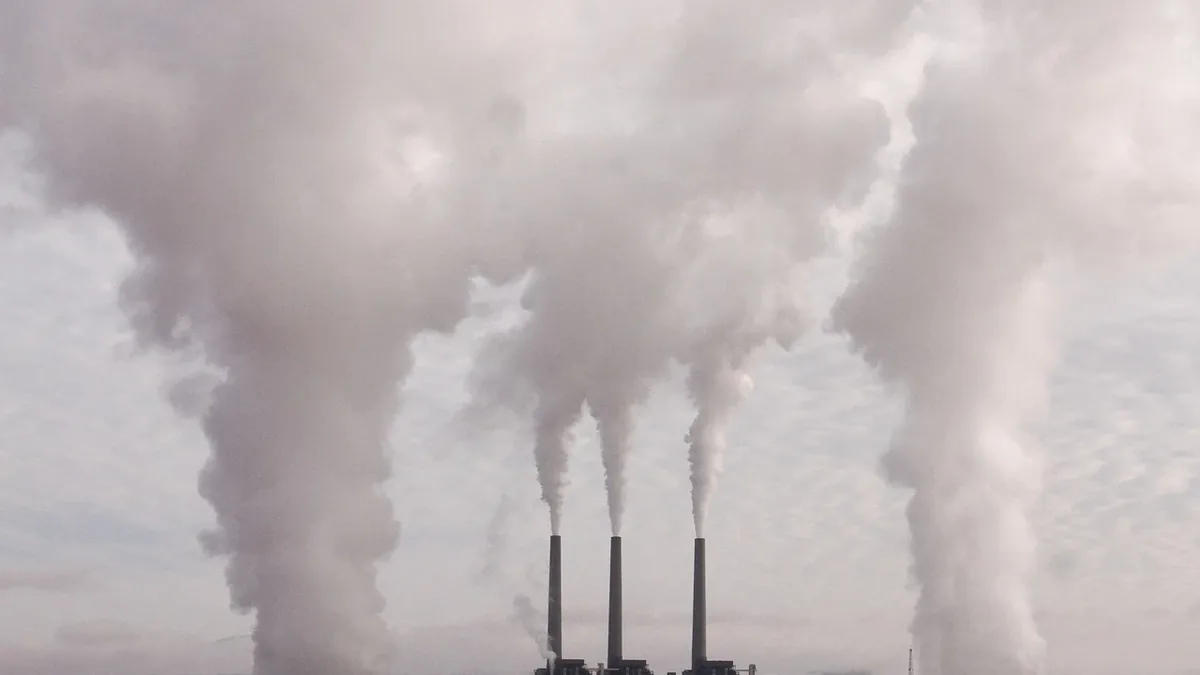
Industrial Emission Limits And Enforcement
| Contaminant type | Air pollutant or water pollutant |
|---|---|
| Regulatory level | National, regional, or local |
| Governing body | Name of environmental agency or authority |
| Key regulated substances | List of primary pollutants (e.g., PM2.5, SOx, NOx, heavy metals) |
| Measurement method | Continuous monitoring, stack testing, or self-reporting |
| Enforcement mechanism | Fines, permits, operational shutdowns, or criminal penalties |
| Compliance rate | High, moderate, or low (as typically reported) |
Origin and history
Industrial emission limits and enforcement frameworks originated in industrialized nations during the mid-20th century, with significant developments occurring from the 1960s onward. The United States and Western European countries were among the first to establish formal national systems in response to severe pollution events and growing public concern. The creation of the United States Environmental Protection Agency in 1970 marked a pivotal moment, consolidating federal authority to set and enforce air quality standards and emission limits for industries. In Europe, directives from the European Economic Community, later the European Union, began harmonizing approaches across member states from the 1970s. These systems evolved from simple, end-of-pipe concentration limits to more complex frameworks addressing total load, specific pollutants, and integrated permitting. The concept has since been adopted and adapted by numerous countries worldwide, each tailoring enforcement mechanisms to their legal and administrative contexts.
What it is for
The primary purpose of industrial emission limits and enforcement is to protect human health and the environment from the harmful effects of pollutants released by industrial activity. These regulatory frameworks are designed to reduce the concentration of contaminants like particulate matter, sulfur oxides, nitrogen oxides, and volatile organic compounds entering the air a city breathes. They also aim to prevent toxic substances from contaminating water sources, thereby safeguarding drinking water supplies for urban populations. By setting legally binding maximum release levels, the system compels industries to internalize the environmental costs of their operations through pollution control investments. A secondary purpose is to create a level playing field for industry, ensuring all operators comply with the same baseline standards to prevent competitive disadvantages. Ultimately, these systems serve as the foundational legal tool for translating public health and environmental quality goals into actionable requirements for industrial facilities.
Overview
Industrial emission limits and enforcement constitutes a regulatory system where governmental authorities establish maximum permissible quantities or concentrations of specific pollutants that industrial facilities can emit. The system typically involves several key components: legally codified emission limit values (ELVs), a permitting or licensing process for individual installations, mandatory monitoring and reporting by the operator, and a regime of inspections and penalties administered by the enforcement agency. Limits are often set based on Best Available Techniques (BAT), which consider both the technological feasibility and economic viability of pollution control. Enforcement actions can range from warnings and fines to permit suspensions, operational shutdowns, or criminal prosecution for severe non-compliance. The system's effectiveness hinges on the robustness of the legal framework, the capacity and independence of the regulatory agency, and the transparency of monitoring data. It operates within a wider environmental policy context that may include air quality standards, pollution taxes, and public disclosure requirements.
What to know
Emission limits are typically specific to industrial sectors and processes, such as limits for mercury from waste incinerators or benzene from chemical plants. Compliance is not a one-time event but requires continuous monitoring, often through Continuous Emission Monitoring Systems (CEMS), and regular reporting to the regulatory authority. The enforcement agency's ability to detect violations depends on its resources for conducting unannounced inspections, auditing self-reported data, and investigating public complaints. Legal frameworks often include provisions for "upset" or "malfunction" events, but these are usually narrowly defined and do not provide blanket exemptions from liability for excess emissions. Citizens in many jurisdictions have the right to access emission data and permit documents, and can sometimes initiate legal action against both polluters and regulators for failure to enforce. It is critical to understand that the existence of a limit on paper does not guarantee clean air or water; the actual environmental outcome is determined by the rigor and consistency of enforcement actions on the ground.
Common questions
A common question is why some facilities appear to operate with visible plumes or odors despite having permits, which often relates to the distinction between regulated pollutants and nuisance effects that may not be strictly limited. People often ask how they can find out what a local factory is emitting, which usually involves checking a public pollutant release and transfer register or requesting documents from the environmental agency. Many inquire about what to do if they suspect a violation, with the standard advice being to document observations with dates and details and submit a formal complaint to the enforcement authority. A frequent question concerns the difference between an emission limit and an ambient air quality standard, the former controlling what comes out of a stack and the latter defining the acceptable concentration in the surrounding community air. Residents often question why enforcement seems weak, which can stem from factors like underfunded agencies, complex legal processes, or political pressure to protect industrial jobs. Another recurring query is whether newer facilities face stricter limits than older ones, which is often true due to "grandfathering" provisions but is increasingly addressed by legislation requiring retrofits.
Pros and cons
A significant pro of a well-designed system is that it provides clear, legally enforceable rules that can drive measurable reductions in pollutant loads over time, directly benefiting public health in adjacent communities. It creates predictability for industries regarding their compliance obligations and can stimulate innovation in cleaner production technologies. A major con is that systems can become overly bureaucratic, focusing on paperwork compliance rather than actual emission reductions, and can be slow to adapt to new scientific knowledge or emerging pollutants. Enforcement is often inconsistent, with larger, high-profile facilities facing more scrutiny than smaller, dispersed sources that collectively contribute significantly to pollution. A common mistake by regulators is setting limits based on what is technically achievable for industry without adequately considering the resulting cumulative impact on ambient air or water quality for the city. Many jurisdictions regret designing systems with weak penalty structures that make non-compliance a cheaper business decision than investing in pollution control, undermining the entire framework's deterrent effect.
Who it suits
This regulatory approach suits jurisdictions with a stable legal system, a competent and adequately resourced technical bureaucracy, and a political commitment to environmental protection as a counterweight to industrial interests. It is particularly suited for controlling large, stationary point sources of pollution, such as power plants, refineries, and major manufacturing facilities, where emissions can be measured at a defined point. The system works best for pollutants that are well-understood, have established monitoring methodologies, and for which clear cause-and-effect relationships to environmental harm are documented. It suits societies that prefer a formal, rules-based method of environmental management over purely market-based instruments or voluntary agreements. This framework is less suited to addressing non-point source pollution or managing complex synergistic effects of multiple pollutants from numerous small sources, where other policy tools may be more effective. It requires an industrial sector with the capital and technical capacity to install and maintain pollution control equipment and monitoring systems.
Latest Industrial Emission Limits And Enforcement news
Latest reporting

Supreme Court Permits Diwali Green Crackers Amid Pollution
The Supreme Court allowed NEERI-approved green firecrackers for three days around Diwali 2025 in Delhi, but enforcement challenges and unverified...
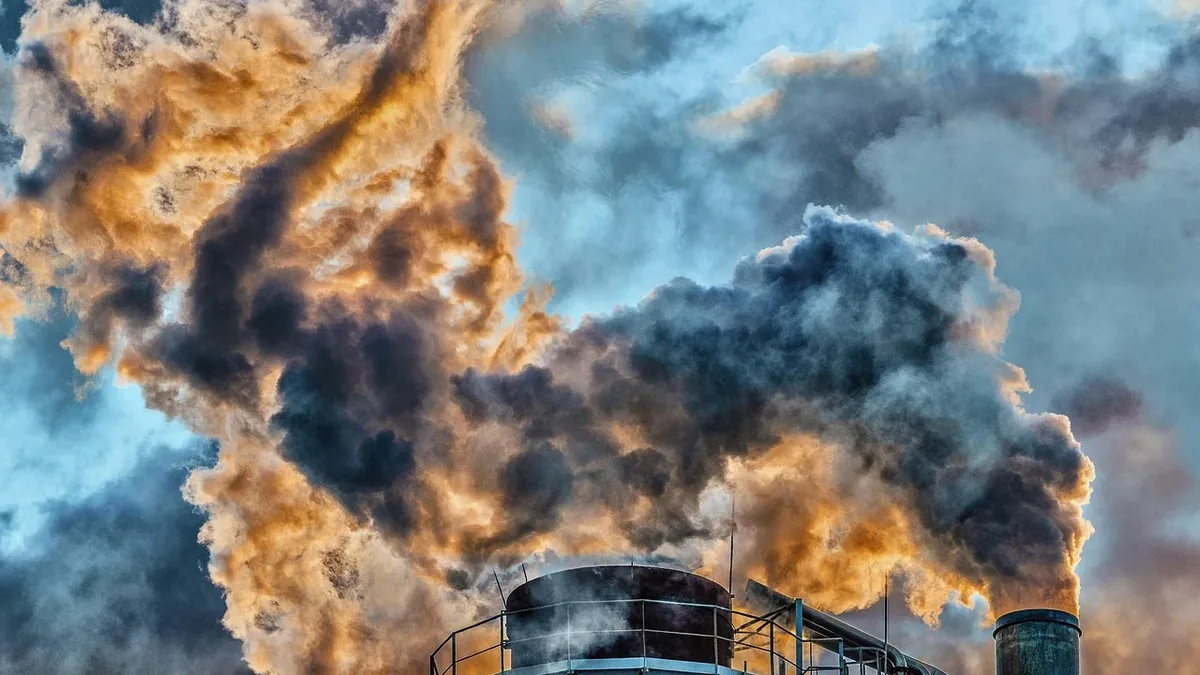
China's August Emissions Fall as Renewables Cover Power
A new analysis shows China's emissions declined broadly in August 2026, with fossil fuel use and industrial output weakening.
Man killed in oxygen cylinder blast at Delhi
A 35-year-old man died and four others were injured when an industrial oxygen cylinder exploded at a storage facility in Delhi's Okhla area.
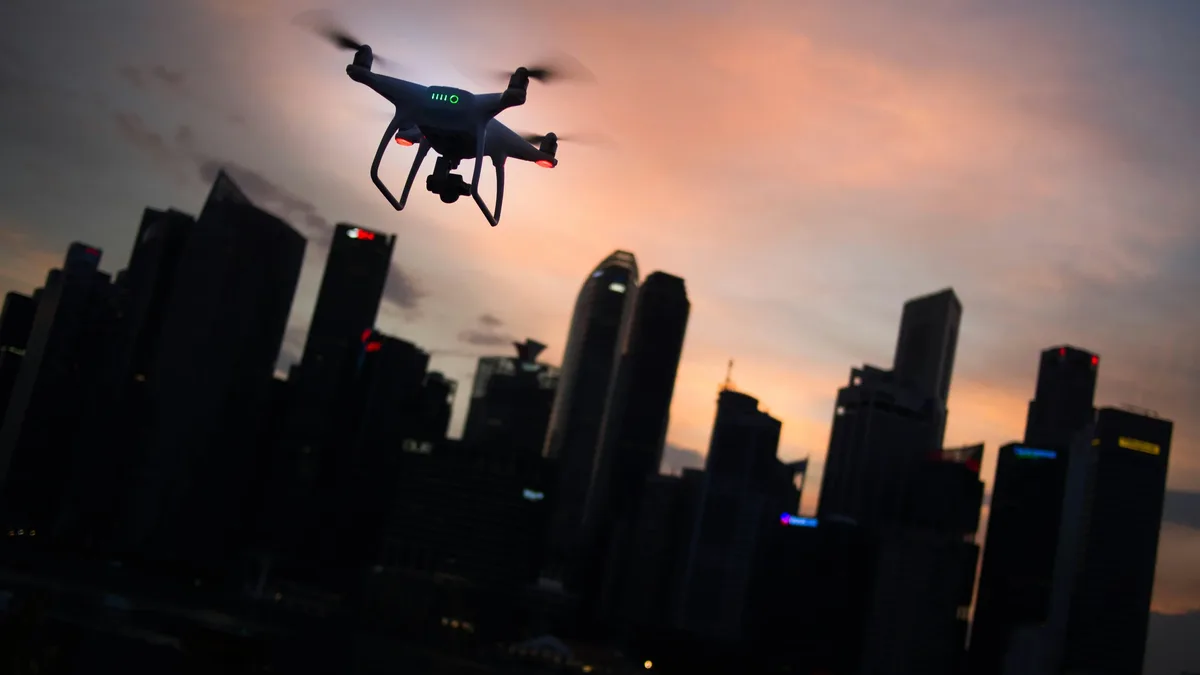
Delhi Drafts Drone Policy to Monitor Pollution and Safety
Delhi's government has drafted a five-year drone policy to deploy unmanned aircraft for monitoring air pollution, industrial emissions, and Yamuna...

Delhi deploys 334 teams for 24/7 winter
Delhi's environment minister announced 334 inspection teams will conduct round-the-clock pollution enforcement across the city's subdivisions and...