Delhi launches AI-powered pollution command centre
The Delhi government has inaugurated an Integrated Command and Control Centre to monitor over 700 construction sites and other pollution sources using AI.
The Delhi government has launched an Integrated Command and Control Centre (ICCC) to monitor and respond to pollution sources across the city using AI, CCTV, and GPS tracking. Chief Minister Rekha Gupta inaugurated the facility at the Delhi Metro Rail Corporation’s IT Park in Shastri Park on Wednesday as part of the Seva Sankalp campaign. The centre, built for the Delhi Pollution Control Committee (DPCC), was completed in less than six months. It will monitor air quality index data from all stations in Delhi and analyse both current and historical pollution data.
Real-time monitoring of construction and waste burning
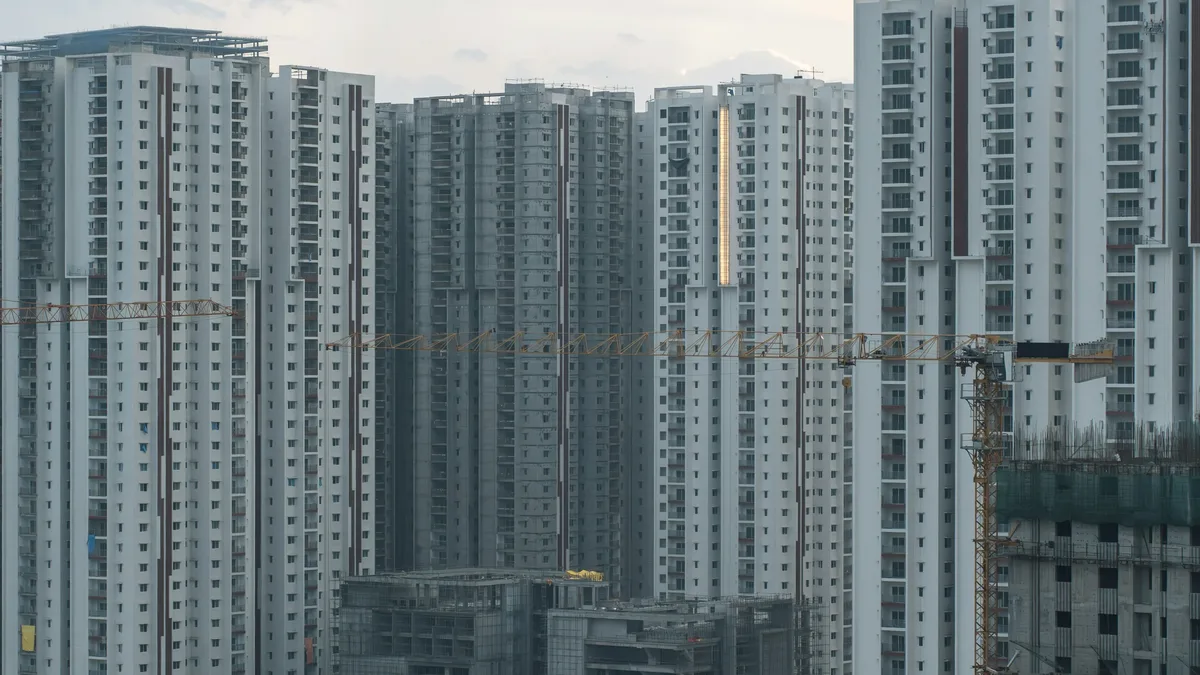
The ICCC uses artificial intelligence-enabled CCTV cameras to track more than 700 identified construction sites, each spread over 500 square metres or more. Environment Minister Manjinder Singh Sirsa stated that 707 sites are currently under watch. The system will trigger immediate alerts to the concerned department and site owner if PM10 levels rise at a monitored location. New AI-driven cameras will also detect incidents of open waste and biomass burning. The centre integrates this real-time information with public complaints and field inspection reports to identify pollution hotspots and violations.
Field enforcement and public participation strengthened
Body cameras are now mandatory for DPCC officials inspecting industries and other polluting sites. The government’s ‘Vayudoot’ teams will also use these cameras, with live footage relayed directly to the command centre. For public involvement, Chief Minister Gupta launched the ‘Jan Suggestion’ portal. Citizens can use it to submit complaints, suggestions, and information about pollution reduction initiatives. The government has already exceeded its annual tree-planting target, with 7.2 million trees planted against a goal of 7 million.
Technology-driven traffic and road management
The command centre extends its oversight to road dust and vehicular emissions. Mechanical road-sweeping machines are linked to GPS, allowing the centre to monitor their location, operational hours, distance covered, and cleaning of designated areas. To enforce the 'No PUC, No Fuel' policy, automatic number plate recognition cameras will be linked to the system. An intelligent traffic management system will adjust red and green light durations in real time based on traffic flow, a measure intended to reduce vehicular pollution.
Round-the-clock operations and winter preparedness
The ICCC will function as a 24/7 war room during the winter pollution season, with officials working in three shifts. Facilities at the centre include a kitchen, pantry, mess, and bunk beds to support continuous operations. Seventy-eight subdivisional teams will be deployed for monitoring and enforcement this winter. Chief Minister Rekha Gupta explained the core principle of the system. "The core principle of the entire system is ‘Detect, Analyse, Act, Verify’," she said. The government aims to pre-empt severe pollution curbs through this sustained monitoring and public participation. On the upcoming Diwali festival, Minister Sirsa said only green crackers would be allowed in Delhi and appealed to residents to keep pollution concerns in mind while celebrating. The centre is designed to provide continuous oversight of pollution sources, enforcement actions, and traffic-linked measures across the city.