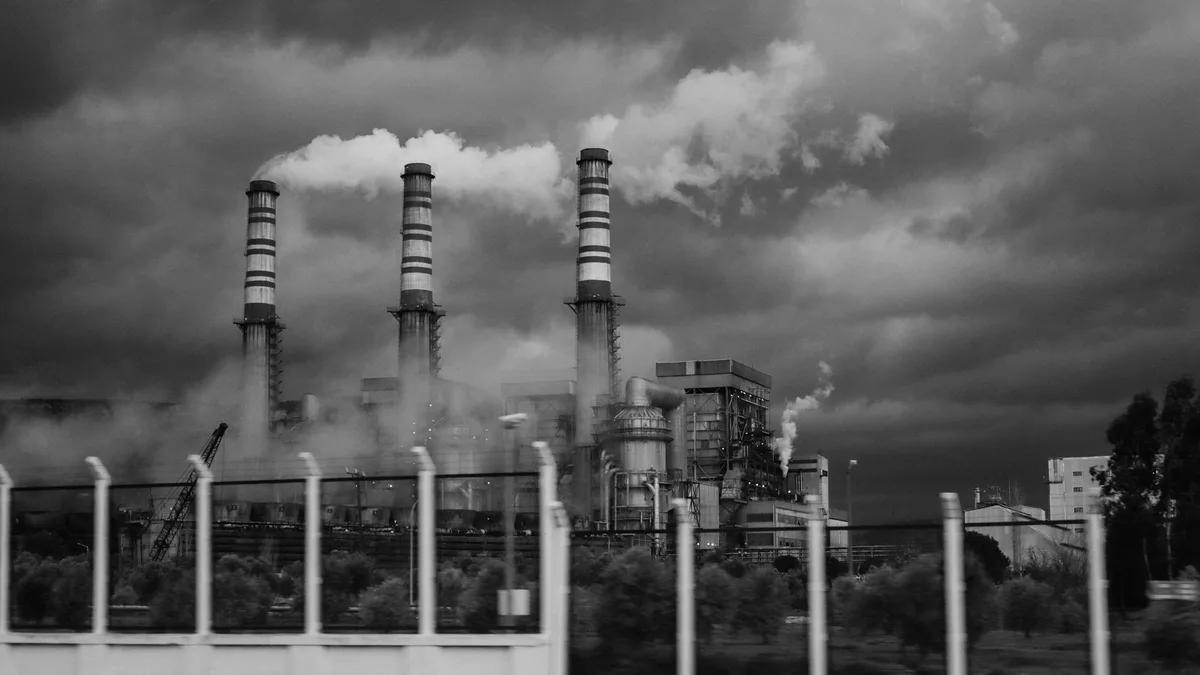
EU pays $78bn extra for fuel imports
EU importers paid $78bn extra for seaborne crude, oil products and LNG after the US-Iran strikes in March 2026. The total gross extra cost to all importers was $330bn over the first six months of the crisis.
EU importers paid $78bn extra for seaborne crude, oil products and LNG after the US-Iran strikes in March 2026. The total gross extra cost to all importers was $330bn over the first six months of the crisis.
Cost of the Hormuz Crisis
The authors, Luke Wickenden and Lauri Myllyvirta, estimate that fossil-fuel importers paid an additional $330bn for seaborne crude oil, oil products and LNG compared with pre-war futures expectations. This figure is a gross estimate that does not account for earnings of exporting countries.
| Region | Extra Cost (bn USD) |
|---|---|
| EU | 78 |
| China | 35 |
| India | 22 |
The analysis focuses on actual volumes purchased, so it already reflects the demand drop. Freight, war-risk premiums, pipeline gas, coal, fuel oil, naphtha and blending components are excluded, making the estimate conservative.
Clean-Power Savings
Since 2020, growth in clean power has helped offset some of the crisis costs. In the first five months of the conflict, clean power generation added enough to save importing countries an estimated $36bn in avoided coal, gas and oil imports.
| Country | Avoided Cost (bn USD) |
|---|---|
| China | 7.9 |
| Japan | 4.9 |
| Spain | 2.0 |
| France | 1.8 |
| Italy | 1.5 |
| Netherlands | 1.4 |
| Brazil | 1.3 |
| India | 1.2 |
The savings include $22bn in gas, $10bn in coal and $5bn in oil. About 29% of the total avoided cost is attributable to the war-related price markup.
Price Shock and Regional Divergence
The crisis produced the largest sustained oil price shock since the 1990 Gulf War. Brent crude averaged 38% above its pre-strike level between March and August 2026, and no six-month period has reached that average since the December 2022 spike.
| Benchmark | % Above Pre-War Expectations (Mar-Aug 2026) |
|---|---|
| Asian LNG | 75 |
| European gas | 60 |
| US gas | -9 |
| Brent crude | 35 |
| Diesel | 59 |
Diesel remained above 55% of expectations in five of six months, while crude has eased from 50% above in May to 22% in August.
Impact on Importers
The typical low- or middle-income country paid about twice as much relative to GDP as a high-income country. Brazil avoided 35% of its import bill, Lithuania 25%, Denmark 24% and Sweden 19% through clean-power growth.
The authors note that global renewable power investment in 2025 was $700bn, or $58bn per month, only 5.6% higher than the $55.3bn monthly extra cost caused by higher seaborne oil and gas prices.
For more detailed data, see the stats and standings pages.