Panel Probes Pellet Gun Use, Harassment in July Protests
A Supreme Court committee is investigating police use of pellet guns and harassment of female protesters during July 20 demonstrations in Delhi.
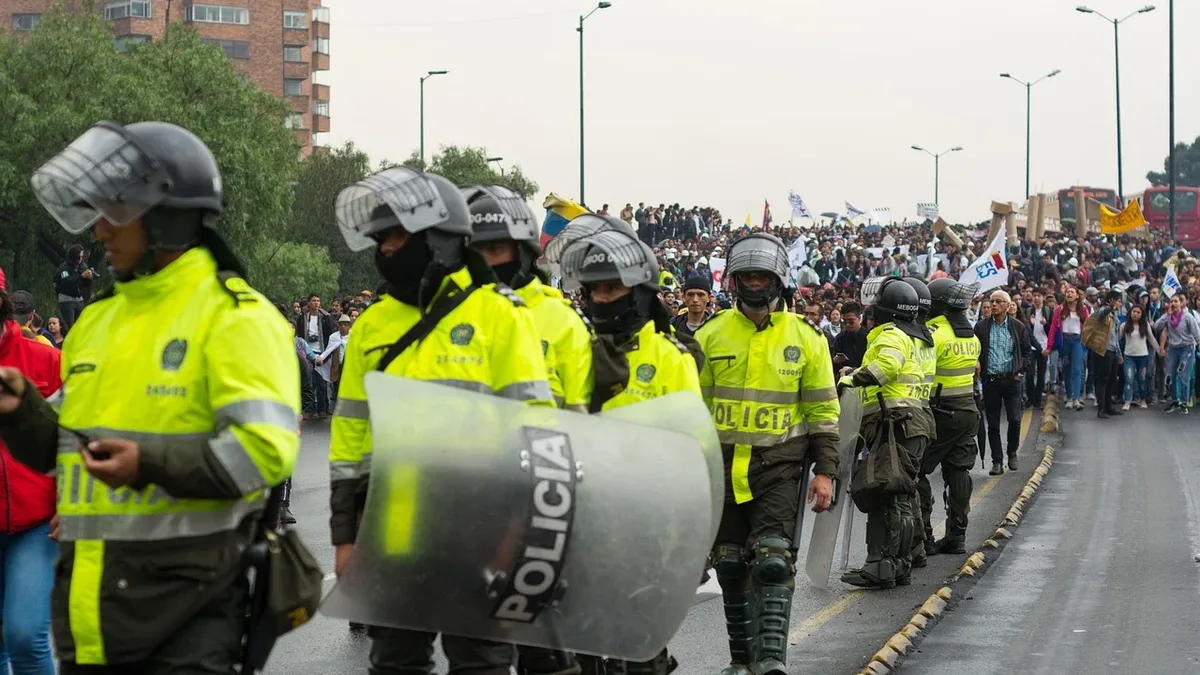
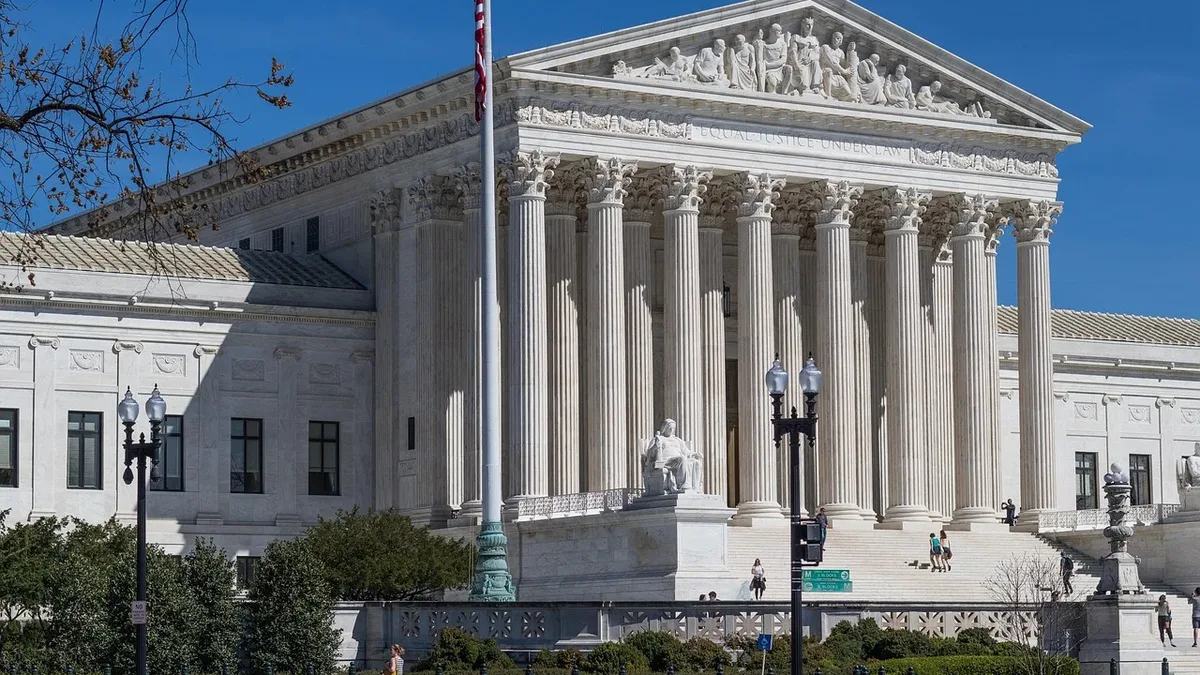
A Supreme Court-appointed committee is gathering evidence on the alleged use of pellet guns and harassment of female protesters during student marches in Delhi on July 20. The High Powered Enquiry Committee (HPEC) will hold a two-day public hearing on October 29 and 30 at its office in Shiksha Sadan on Rouse Avenue.
Officials said the panel has received more complaints from police personnel alleging targeted attacks than from student protesters over a recent two-day period. A Delhi Police sub-inspector was among those submitting a statement in person. An office official suggested low student turnout for in-person submissions might be due to rain and the availability of an online portal.
Scope of the Inquiry
The committee's mandate extends beyond specific incidents. It will examine the use of pellet guns by security forces, a tactic that drew widespread political and expert criticism after the July protests. The panel will also investigate allegations of excessive force, targeted violence against women protesters, and violence against police personnel. Broader issues like mandatory uniforms for law enforcement during crowd control, blanket prohibitory orders, and police surveillance legality are also under review.
How to Submit Evidence
The HPEC has launched an online portal, hpec.nic.in, for submitting complaints and evidence. This is intended to protect vulnerable witnesses by allowing confidential submissions. People can provide information in four distinct ways, each with specific questions and the option to attach supporting documents.
The portal includes checks for whether a victim was sexually assaulted and allows for video, photographic, or medical evidence of injuries.
The July 20 Clashes
The protests, organized by the Cockroach Janta Party amid disputes over an alleged NEET exam paper leak, led to clashes at Delhi's Jantar Mantar and other locations. Police used tear gas and baton charges to disperse crowds. At least four individuals sustained pellet injuries though police have not commented on the use of such weapons. A medico-legal case report has confirmed pellet injuries in at least one instance.
The five-member panel is chaired by retired Supreme Court judge Justice R Subhash Reddy. Its other members include former high court justices and former senior police officials. The committee's proceedings are set to begin at 11 am on hearing days, with public submissions accepted between 11:30 am and 3 pm. All attendees must carry valid identity documents, a requirement that has prompted some civilians to consider filing online to avoid having their IDs recorded by security guards at the gate.