Singapore advances regional haze coordination as Indonesia asserts self-reliance
Singapore is moving to ratify the ASEAN haze coordination centre agreement, urging other members to follow, after its recent offer of firefighting assistance to Indonesia was declined.

Singapore will ratify the agreement to establish the Asean haze coordination centre in Indonesia within days. This push for regional cooperation follows Indonesia's recent decision to decline Singapore's offer of civilian firefighting and cloud seeding support.
Singapore extended that civilian assistance on October 16. Indonesia replied on October 19 that it could manage without foreign assistance. Foreign Minister Arrmanatha Nasir said President Prabowo Subianto had approved the decision. Coordinating Minister Dudung Abdurachman clarified that foreign help depends on a national-disaster declaration, which had not been issued.
ASEAN haze coordination centre faces ratification delays
The planned ASEAN Coordinating Centre for Transboundary Haze Pollution Control requires six member states to ratify its treaty before operations begin. Singapore plans to ratify the agreement in the next few days. Members concluded the founding treaty in 2023 and finished signing it in May 2025. The leadership, oversight and funding agreement will take effect 60 days after the sixth ratification.
Singapore will help establish the centre in Indonesia during its 2027 ASEAN chairmanship. The secretariat office opened in Jakarta in April. Indonesia's environment minister Hanif Faisol Nurofiq said a presidential regulation on ratification was being drafted at that opening. ASEAN’s July statement thanked only Vietnam for submitting its instrument, and noted that Brunei, Indonesia, Malaysia, Singapore and Thailand were still ratifying at home.
ASEAN haze framework remains underutilized despite 2002 treaty
The 2002 ASEAN Agreement on Transboundary Haze Pollution has been in force since 2003. It commits members to preventing, monitoring and mitigating fires and haze without punitive measures. Indonesia was the last member to ratify it in 2014. The ASEAN Coordinating Centre for Transboundary Haze Pollution Control was mandated under that agreement but has not become fully operational.
Indonesia won regional endorsement to host the centre in October 2015 after competing with Malaysia. ASEAN officials pledged in 2019 to speed up its creation. The ASEAN Secretariat is acting as an interim centre. The centre's functions include consolidating fire and haze data, coordinating assistance offers, and maintaining rosters of experts. It would not override national decisions; national authorities act first and may ask the centre for help during emergencies.
Domestic legal actions target haze-causing companies
Singapore is advancing domestic legal measures to hold companies accountable for haze-related pollution. The Singapore Parliament is due to debate amendments to the Transboundary Haze Pollution Act. The amendments would allow the National Environment Agency to direct companies to appoint assessors at their own cost to examine operations and supply chains. Failure to comply would be an offence.
No company has been fined or sued under the Act since it came into force. Ten Singapore-registered companies and ten Indonesian firms have received legal notices under it. Environment Minister Grace Fu announced the plan in parliament on November 3. She stated human activities are the primary sources of peatland and forest fires. "Singapore respects Indonesia’s sovereignty and its assessment of its needs, including whether the establishment of a joint regional firefighting task force would be helpful," Fu said.
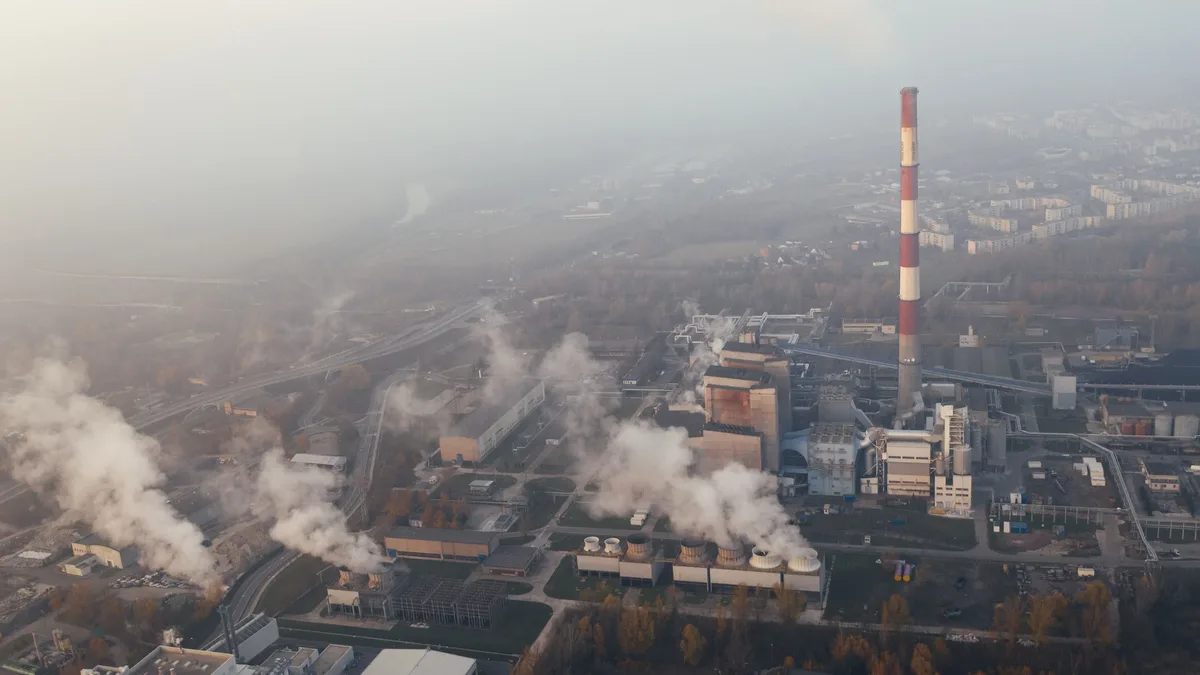
Singapore has hosted the ASEAN Specialised Meteorological Centre since 1993. It provides regional weather, climate and haze assessments. Singapore acted ahead of the 2026 dry season using this system, warning member states to strengthen cooperation. El Nino conditions in 2026 caused a longer dry season, making fires easier to start and more intense. Forest fires in Indonesia caused unhealthy air in Singapore from September 4 to October 22, with the highest Pollutant Standards Index reading hitting 230 on October 18.
Singapore will support discussions on haze at upcoming ASEAN meetings and share how it intends to act against companies responsible for haze.